














 soundproofing
We take our time and your suitable contact person will answer all your questions about your individual project. We look forward to meeting you. Guaranteed!
Soundproofing for power plants is governed in Germany by a dense network of permit law and occupational safety regulation. The Technical Instructions on Noise Abatement (TA Lärm) regulate the assessment levels at neighbouring residential developments during the day and especially during the particularly sensitive night hours; the Federal Immission Control Act (BImSchG) provides the permit framework for every new installation; and in parallel, the German Noise and Vibration Occupational Health and Safety Ordinance and the EU Machinery Directive secure noise exposure at the workplace.
sta Group has been planning industrial soundproofing solutions in line with these requirements since 1986 and takes responsibility for every step, from on-site sound measurement and noise prognosis through to the documented handover. In-house acousticians prepare immission forecasts in accordance with TA Lärm and coordinate them with the responsible authority. The soundproofing consultation forms the binding first building block of every measure.
On the basis of this prognosis, solutions are developed that bring both the outdoor levels at the nearest residential development and the indoor levels at the workplace below the respective limits. This not only reduces the risk of resident complaints but also significantly lowers the operator’s liability exposure to regulatory authorities and the employers’ liability insurance association. During permit procedures, sta Group accompanies the operator on request directly in dialogue with the authority and the appointed experts.
Soundproofing for power plants is never an off-the-shelf solution. Every plant has its own equipment topology, its own machine sets and its own neighbourhood conditions with individual assessment levels. sta Group records these conditions with a state-of-the-art 3D scanner and produces millimetre-accurate digital surveys as a robust basis for design, material selection and detailed planning.
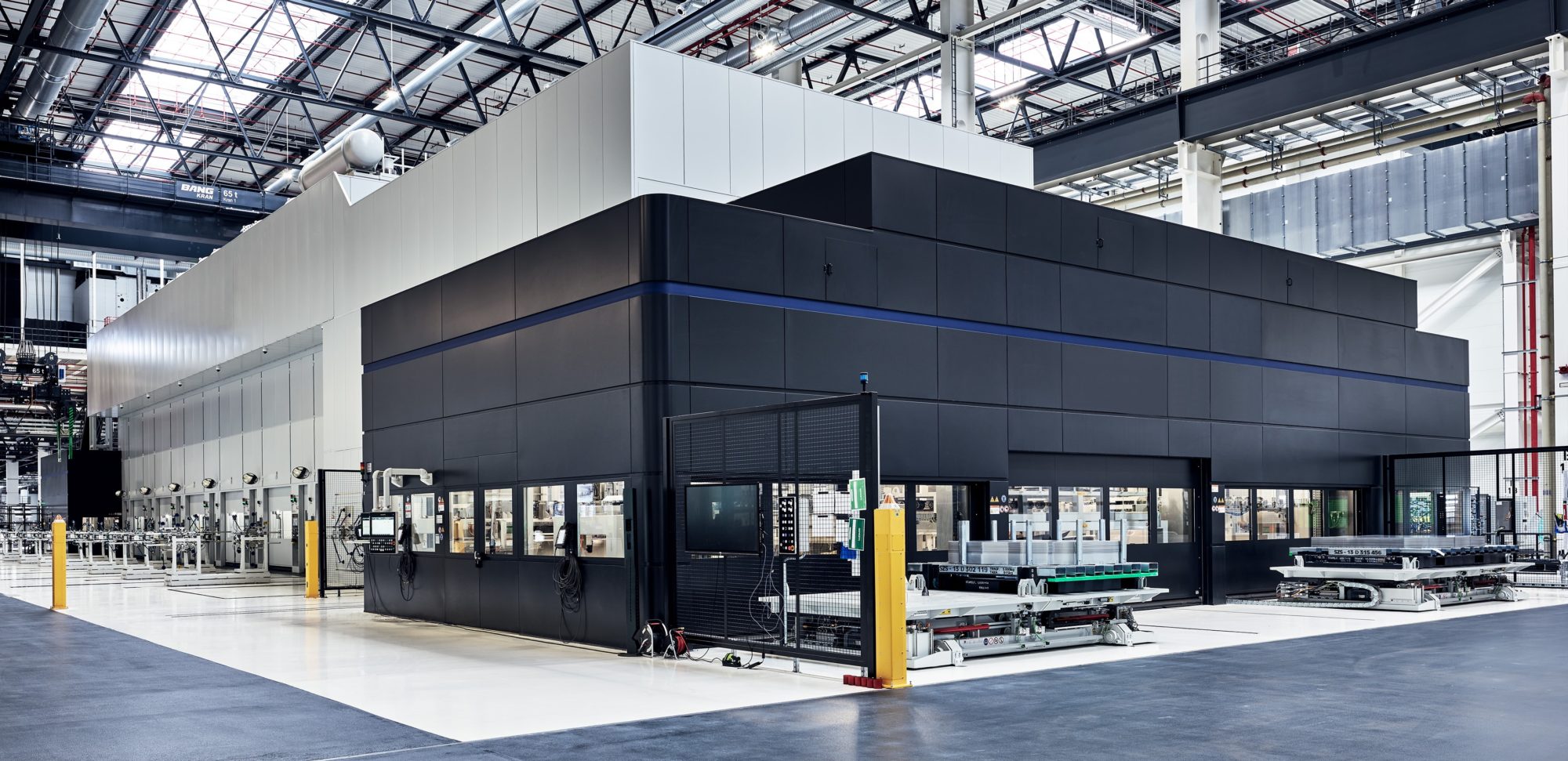
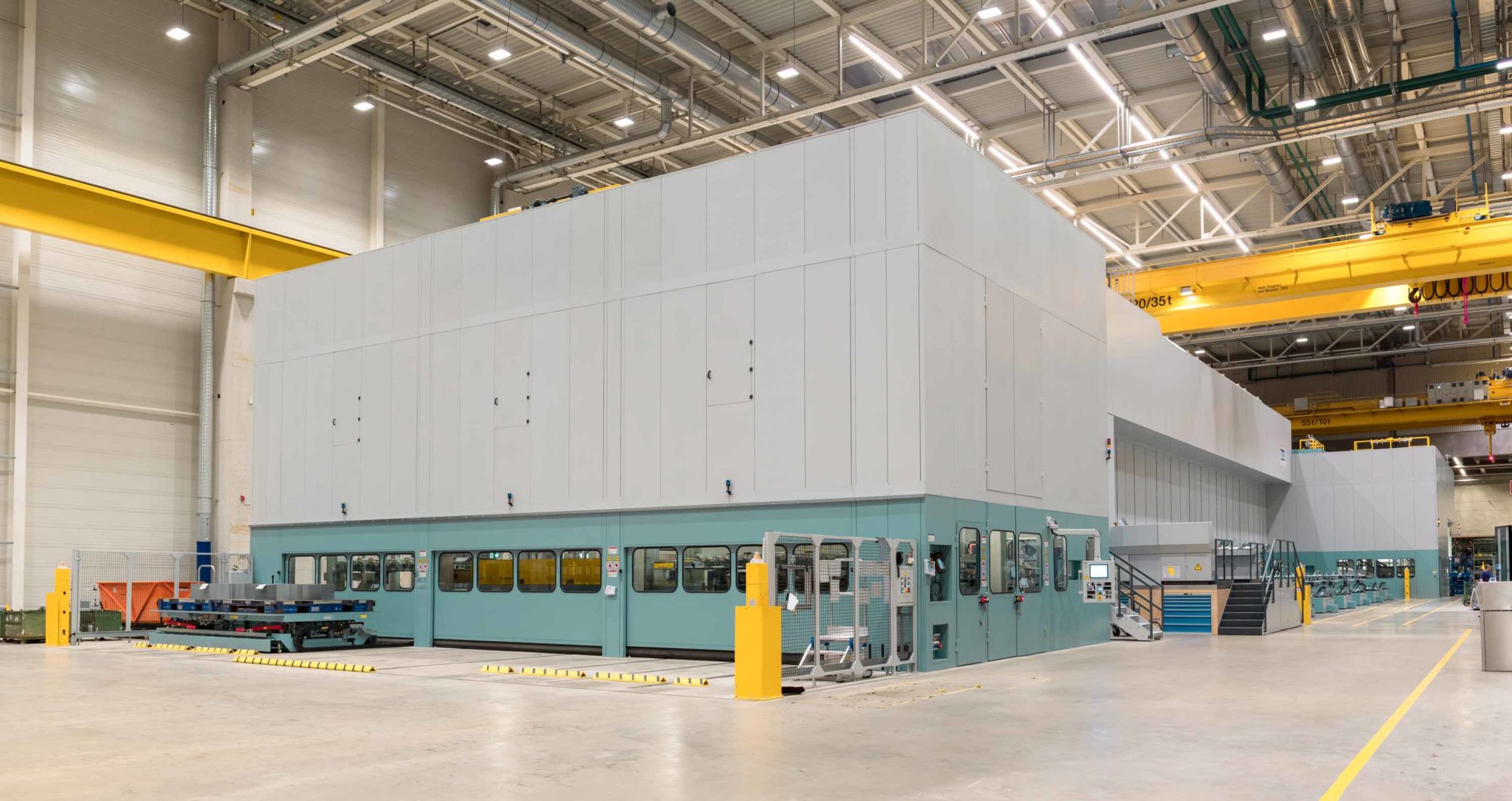
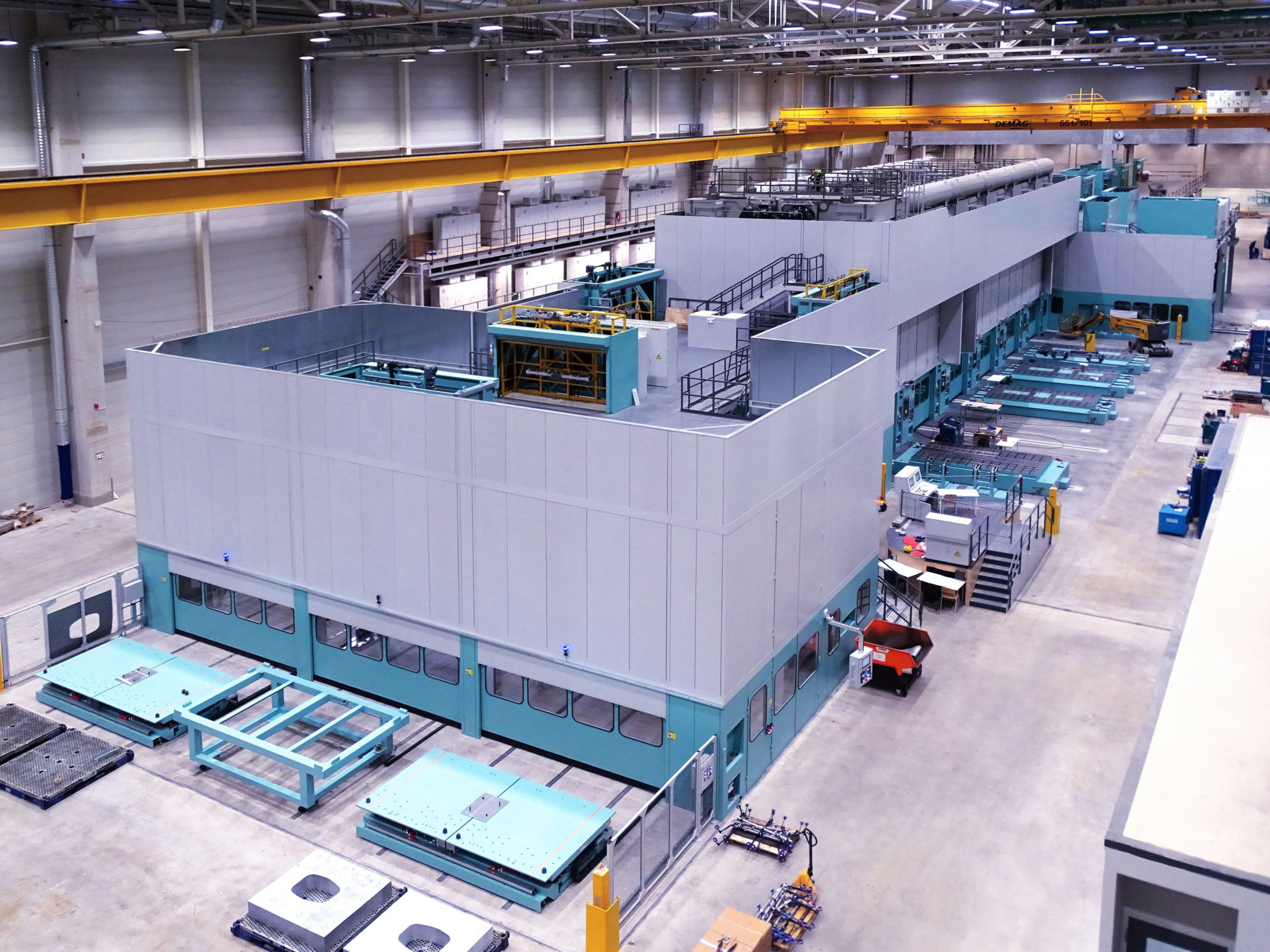
Acoustics planners combine proven components into individual installations. Machine enclosures for generators and turbines, sound-insulated containers for CHP units and emergency power generators, silencers in fresh air, exhaust air and flue gas paths, and vibration-isolated operator cabins are designed so that maintenance, operation and the safety clearances required by the Machinery Directive are preserved. Interfaces with plant engineering, electrical engineering and ventilation are coordinated early so that nothing has to be reworked on site.
The acoustic transition between loud and quiet zones is also taken into account consistently. Strategically placed industrial sound absorbers noticeably reduce reverberation time in the engine hall. The result is soundproofing for power plants that meets permit requirements, occupational safety and operability in equal measure and that grows with every later plant expansion.
Different acoustic rules apply inside the engine hall than on the outdoor areas. Indoors, mid- and high-frequency content from generators, pumps and auxiliary units dominates; outdoors, low-frequency content from transformers, cooling towers, blow-off systems and ventilation equipment prevails. Both areas need coordinated measures, otherwise the problem only shifts from one side to the other and causes expensive remedial work.
Indoors, we combine absorbing wall claddings, sound barriers between equipment groups inside the industrial hall and encapsulated control rooms with their own ventilation. Both the assessment level at exposed workplaces and the disruptive reverberation time for inspection and maintenance personnel decrease significantly. Existing plant technology, cranes and maintenance access remain fully usable.
Outdoors, weather- and temperature-resistant enclosures, baffle silencers in ventilation paths and sound barrier walls at plant boundaries achieve level reductions of 15 to 25 dB. Material and construction are designed for wind, snow, UV and chemical loads. This makes it possible to permanently meet the assessment levels of TA Lärm at the nearest residential development, including during the particularly sensitive night hours.
Power plant noise control at auxiliary units is at least as important as at the main installations, because these components often run 24 hours a day and therefore dominate the assessment period under TA Lärm. Transformers, feedwater and cooling water pumps, compressors, fans and compressed air stations generate both airborne sound and considerable structure-borne sound, which spreads widely through foundations and pipework across the plant.
At transformers, low-frequency-capable wall constructions with an absorbing inner side noticeably reduce the typical 100 Hz components. Pumps receive elastic mountings and acoustically decoupled installation frames. Compressors are placed in soundproof cabins with their own ventilation, sound-tight inspection openings and integrated control cabinets, without extending operating times or maintenance procedures.
Pipework is also taken into account. Sound-insulating lagging, vibration-isolated suspensions and expansion compensators prevent machine-induced structure-borne sound from travelling unimpeded into the supporting structure. Only this interplay of source, installation and transmission path delivers a truly reliable level reduction and keeps power plant noise control durably effective even at full load. This holistic approach is what distinguishes a professional acoustic concept from the mere supply of components.
Soundproofing for power plants requires experience with large machine sets, with on-site conditions and with the interfaces to plant engineering, electrical engineering and structural works. sta Group brings this experience from numerous projects in power generation, combined heat and power and industrial power plants, and understands the tight time frames of typical overhauls, in which every hour of downtime is felt directly in the energy balance.
The TOP 100 Innovator 2024 award confirms this integrated approach. Customers such as ThyssenKrupp and Schuler have relied on the breadth of expertise of the company for years and on in-house fitters who can safely retrofit installations even in parallel to overhauls. Trained installation teams work during ongoing power generation with clearly coordinated access windows.
In-house manufacturing in Hamm an der Sieg with components up to 6 m in length, an automated plasma cutting system and in-house painting shortens lead times and reduces interfaces. This turns soundproofing for power plants into a predictable component of your installation rather than an unpredictable risk with unclear follow-up costs and long downtimes. From the very beginning, soundproofing can therefore be regarded as an investment in the long-term permit and operational reliability of the site.
 soundproofing
We take our time and your suitable contact person will answer all your questions about your individual project. We look forward to meeting you. Guaranteed!


sta group
Wir sind fest davon überzeugt, dass das Internet für alle Menschen zugänglich sein sollte. Deshalb setzen wir uns dafür ein, eine Website bereitzustellen, die für möglichst viele Nutzerinnen und Nutzer zugänglich ist – unabhängig von deren Lebensumständen oder Fähigkeiten.
Um dieses Ziel zu erreichen, orientieren wir uns so genau wie möglich an den Richtlinien für barrierefreie Webinhalte (Web Content Accessibility Guidelines – WCAG 2.1) des World Wide Web Consortiums (W3C), auf Konformitätsstufe AA. Diese Richtlinien beschreiben, wie Webinhalte für Menschen mit unterschiedlichsten Beeinträchtigungen zugänglich gemacht werden können. Ihre Einhaltung hilft uns, die Website für alle zugänglich zu machen – für blinde Menschen, Menschen mit motorischen Einschränkungen, Sehbehinderungen, kognitiven Beeinträchtigungen und mehr.
Diese Website nutzt verschiedene Technologien, um jederzeit ein Höchstmaß an Barrierefreiheit zu ermöglichen. Dazu gehört eine spezielle Benutzeroberfläche, die es Menschen mit spezifischen Einschränkungen erlaubt, die Darstellung der Website individuell an ihre Bedürfnisse anzupassen.
Zudem kommt eine KI-gestützte Anwendung zum Einsatz, die im Hintergrund läuft und fortlaufend die Barrierefreiheit optimiert. Diese Anwendung überarbeitet den HTML-Code der Website, passt die Funktionsweise für Bildschirmleseprogramme für blinde Nutzer sowie für Tastaturfunktionen für motorisch eingeschränkte Personen an.
Wenn Sie eine Störung bemerken oder Verbesserungsvorschläge haben, freuen wir uns über Ihre Rückmeldung. Sie können uns unter folgender E-Mail-Adresse kontaktieren: 02682 95270
Unsere Website implementiert die ARIA-Attribute (Accessible Rich Internet Applications) sowie verschiedene verhaltensbasierte Anpassungen, damit blinde Nutzerinnen und Nutzer die Inhalte mit Bildschirmleseprogrammen lesen, verstehen und nutzen können. Sobald eine Person mit einem Screenreader unsere Website betritt, wird ihr automatisch angeboten, das Screenreader-Profil zu aktivieren, um die Seite optimal bedienen zu können. Im Folgenden zeigen wir, wie unsere Website zentrale Anforderungen für Screenreader erfüllt:
Optimierung für Screenreader: Ein Hintergrundprozess analysiert die gesamte Website, um eine fortlaufende WCAG-Konformität auch bei Änderungen sicherzustellen. Dabei stellt er Screenreadern über die ARIA-Attribute sinnvolle Informationen bereit, z. B. korrekte Beschriftungen von Formularfeldern, Beschreibungen für klickbare Symbole (z. B. Social Media, Suche, Warenkorb), Hinweise zur Validierung, Rollen von Elementen wie Buttons, Menüs oder Popups. Der Prozess analysiert außerdem alle Bilder der Website und erstellt mithilfe von Objekterkennung sinnvolle ALT-Texte für nicht beschriebene Bilder. Eingebettete Texte werden über eine OCR-Technologie extrahiert. Um den Screenreader-Modus zu aktivieren, drücken Nutzer einfach die Tastenkombination Alt+1. Der Modus wird automatisch angekündigt, sobald ein Screenreader erkannt wird.
Diese Funktionen sind mit allen gängigen Screenreadern wie JAWS und NVDA kompatibel.
Optimierung der Tastaturnavigation: Der Hintergrundprozess passt den HTML-Code der Website an und ergänzt JavaScript-Funktionen, um die Bedienung per Tastatur zu ermöglichen. Nutzer können mit Tab und Shift+Tab navigieren, Dropdowns mit Pfeiltasten steuern, mit Esc schließen, mit Enter Buttons und Links aktivieren, sowie Radio- und Checkboxen mit Pfeiltasten auswählen und mit Enter oder Leertaste aktivieren. Zudem stehen Schnellnavigationen und Überspringen-Menüs bereit, die mit Alt+1 aufrufbar oder beim Start der Seitennavigation mit der Tastatur direkt erreichbar sind. Der Fokus wird automatisch auf Popups gesetzt, sobald diese erscheinen, damit er nicht verloren geht.
Es sind auch Shortcuts wie „M“ (Menüs), „H“ (Überschriften), „F“ (Formulare), „B“ (Buttons) und „G“ (Grafiken) verfügbar, um gezielt zu bestimmten Elementen zu springen.
Wir bemühen uns, möglichst viele Browser und unterstützende Technologien zu unterstützen, damit unsere Nutzer ihre bevorzugten Tools frei wählen können. Deshalb gewährleisten wir die Kompatibilität mit über 95 % der marktüblichen Systeme, einschließlich Google Chrome, Mozilla Firefox, Apple Safari, Opera und Microsoft Edge sowie mit den Screenreadern JAWS und NVDA.
Trotz unserer umfassenden Bemühungen kann es vorkommen, dass bestimmte Seiten oder Abschnitte noch nicht vollständig barrierefrei sind, sich in der Umstellung befinden oder technisch (noch) nicht umsetzbar sind. Wir arbeiten kontinuierlich an der Verbesserung unserer Barrierefreiheit, entwickeln neue Funktionen und setzen technische Innovationen ein, um den bestmöglichen Zugang zu gewährleisten. Für Fragen oder Unterstützung kontaktieren Sie uns bitte unter: 02682 95270