Laser safety barriers in accordance with DIN EN IEC 60825-4
What you need to know about the standard
Laser radiation is one of the most underestimated sources of danger in industrial working environments. Even brief contact with high-intensity concentrated light can cause serious injuries, particularly to the eyes and skin. This is precisely where DIN EN IEC 60825-4 comes in: it defines binding requirements for protective devices designed to protect people from direct and reflected laser radiation.
Understanding this standard is essential for safety officers, planners and decision-makers. It forms the basis for selecting suitable protective measures and helps to ensure reliable compliance with legal requirements. This article explains the key content of the standard, clarifies its practical significance and highlights what you should bear in mind when implementing it.
What is DIN EN IEC 60825-4?
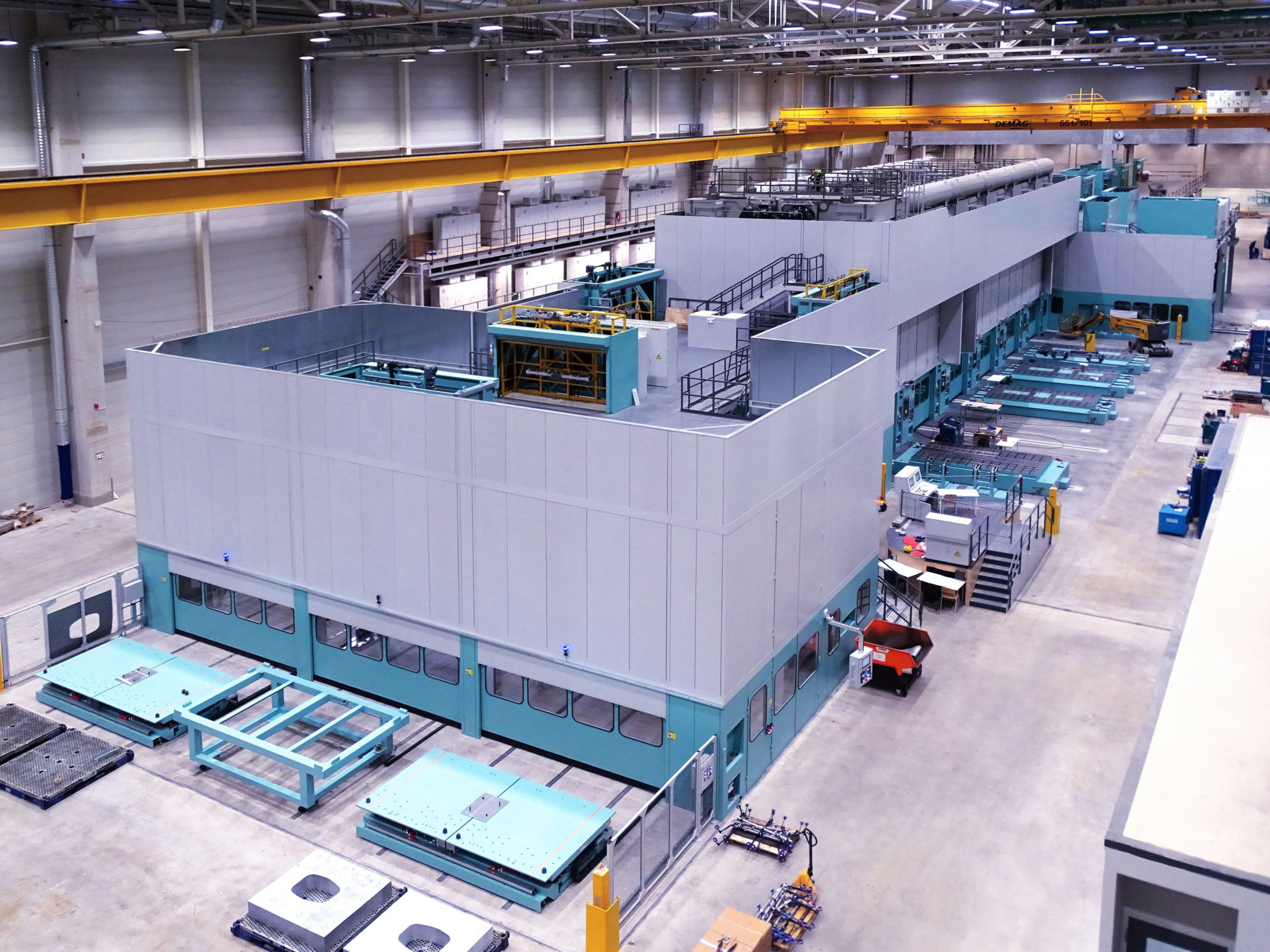
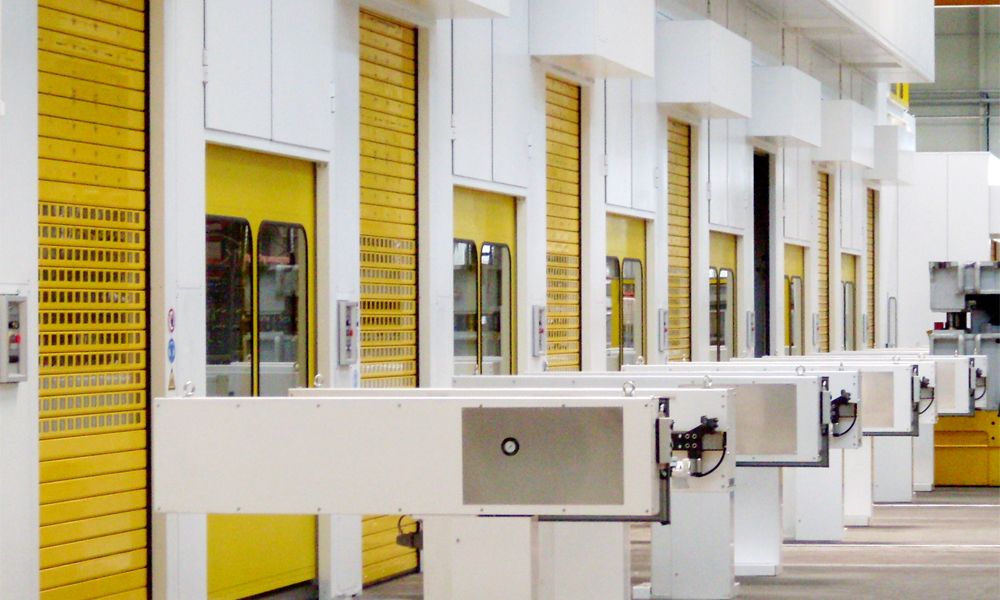
DIN EN IEC 60825-4 is part of an international series of standards on laser safety. While other parts of this series deal with the classification of lasers or general safety requirements, Part 4 focuses specifically on passive protective devices. These include protective enclosures, shields and, in particular, laser protection walls that separate the working area from the danger zone.
The scope of application covers all stationary and mobile barriers designed to absorb or reflect laser radiation. The standard specifies the stresses that these protective devices must withstand and how their effectiveness is to be demonstrated. It takes into account different laser types, wavelengths and power classes.
It is important to distinguish these from personal protective equipment such as laser safety goggles. DIN EN 60825-4 exclusively regulates technical protective measures at room level. These collective protective devices take precedence over individual measures and therefore form the first line of defence against laser hazards in the workplace.
Automotive industry. Equipment manufacturers. End customers.
Small selection of references
Requirements for laser safety barriers according to DIN EN 60825-4
Laser safety barriers according to DIN EN 60825-4 must meet clearly defined performance characteristics. The standard distinguishes between different protection levels based on the laser class and specific operating conditions. Parameters such as wavelength, power density and maximum exposure time of the laser beam are decisive.
With regard to material requirements, the standard stipulates that protective barriers must either completely absorb the laser radiation or scatter it in a controlled manner. Penetration or dangerous reflection must be ruled out. The materials used are subjected to standardised test procedures. These tests simulate realistic exposure scenarios and document how long a protective barrier can withstand the radiation.
Every standard-compliant laser protective wall bears a unique label. This provides information about the protection class, the permissible wavelength range and the maximum exposure time. When purchasing, make sure that the specified values are suitable for your specific laser application. An inadequately dimensioned protective wall does not provide reliable protection and can have fatal consequences in an emergency.
Practical application in occupational safety
The use of DIN EN 60825-4 laser safety barriers affects numerous industries. In the manufacturing industry, high-power lasers are used for cutting, welding and engraving. Medical facilities use lasers for surgical procedures and therapeutic applications. Research laboratories and educational institutions also regularly work with laser technology of various power classes.
The responsibility for correct implementation lies with the employer. They must carry out a risk assessment and define suitable protective measures. Laser safety officers play a central role in this: they monitor compliance with safety regulations, train employees and regularly check the condition of the protective equipment.
Successful integration of laser safety barriers requires a holistic approach. Combine structural measures with organisational regulations such as access restrictions and warning systems. Carefully document all protective measures and update them when changes are made to the workflow. This will create a safe working environment that meets both normative requirements and practical operational requirements.
Why choose us?
Your advantages with
Flexibility
The adaptable solutions are designed in a targeted manner according to the customer’s requirements.
Cost-effective
The investment is seen as a smart price-performance gain.
Solution-oriented
Goal-focused and desire-centred work, expert recommendations and additional implementation support
Comprehensive service
Comprehensive support and assistance throughout projects means that everything is provided from a single source.
Data
Expertise in figures
Conclusion
DIN EN IEC 60825-4 provides a clear framework for passive laser protection in the workplace. It defines measurable requirements for protective barriers, thereby enabling an objective assessment of safety solutions. For companies, compliance with this standard not only provides legal protection, but above all effective protection for their employees.
Check your existing protective measures against the current standard specifications. If you are unsure, consult experts who can assist you in selecting and installing suitable laser safety barriers. Investing in standard-compliant protective equipment pays off in the long term – through fewer accidents, less downtime and increased safety awareness throughout the company.
Successful customer relationships
Excerpt from our customer list
Jetzt kontaktieren – Wir sind da!
Sound insulation systems
We take our time and your designated contact person will answer all your questions about your individual project. We look forward to hearing from you. Guaranteed!
Call directly
+49 26 82 / 95 27-0
Opening hours:
Monday to Thursday, 8 a.m. to 5 p.m. | Closed on Fridays


Sound insulation systems